Cooler Function
If the thermal energy generated during mechanical operations is not dissipated in a timely manner, it will shorten the equipment's lifespan and accelerate the thermal deterioration of rubber components, such as oil hoses. The core function of a cooler is to utilize circulating water to carry away heat generated by production machinery, thereby achieving precise temperature control.
Startup Timing
When the temperature exceeds the preset standard value, the controller activates the throttle valve to adjust the water flow relative to the temperature, maintaining it within the desired range.
• Example: If the temperature is set at 45°C with a temperature differential (hysteresis) of 5°C, the system will automatically initiate the cooling function when the current temperature reaches 51°C, continuing until it drops below 45°C.
• Low-Temperature Protection: If the machine is shut down for an extended period and the ambient temperature is below 10°C (approaching freezing), it is recommended to drain and blow-dry the water inside the copper tubes. This prevents sediment buildup and freezing damage, thereby extending the cooler's service life.
Water Inlet and Outlet Installation
Many users believe that as long as cooling water is present, the temperature will drop. In reality, the positioning of the inlet and outlet is critical. We recommend the "Bottom-In, Top-Out" principle: connect the inlet pipe to the lower port and the outlet pipe to the upper port.
Note: This design ensures that even under low water pressure, the cooling water completely fills the storage space and copper tubes, maximizing heat exchange efficiency and cooling performance.
Cooler Maintenance
1. Regular Maintenance: It is generally recommended to clean the scale inside the copper tubes every six months. However, the actual cycle depends on water quality. If the water is prone to contamination, the interval should be shortened; otherwise, it may be moderately extended.
2. Visual Inspection:
. Check the cooler body for any cracks.
. Inspect connectors for severe oxidation, scaling, or debris blockage.
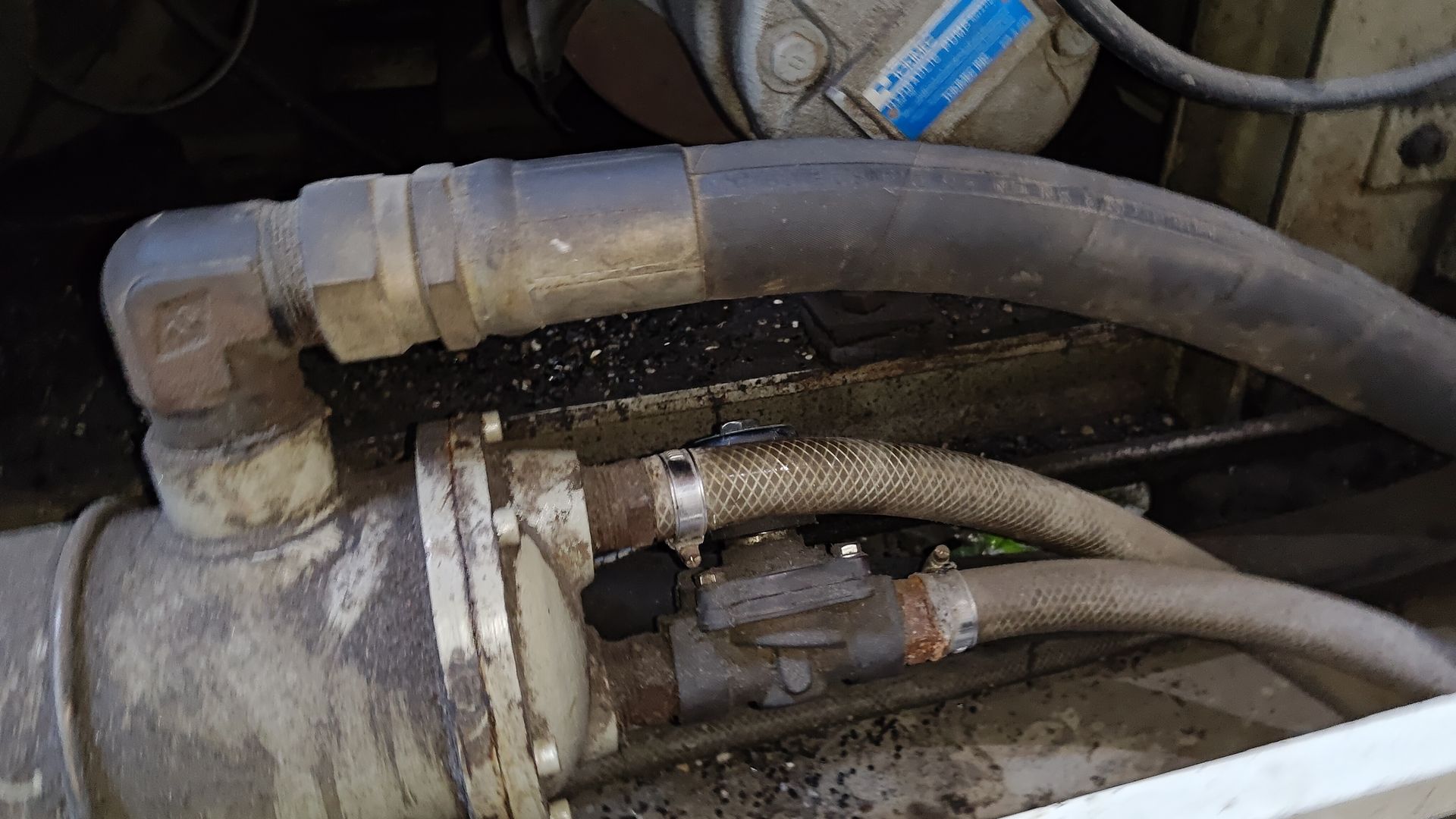
. Check for leaks at the cooler cover and water pipes.
. Ensure all hose clamps are securely tightened.
3. Copper Tube Cleaning: When cleaning the interior of the water circuit tubes, never use hard metal objects to poke or scrape them. It is recommended to use a descaling agent mixed with cooling water for circulating descaling. Alternatively, disassemble the unit and soak it in a descaling agent (the liquid level must be higher than the cooler) until the scale is decomposed, then rinse with fresh water before reassembling. If the blockage persists, contact a professional or replace the unit with a new one.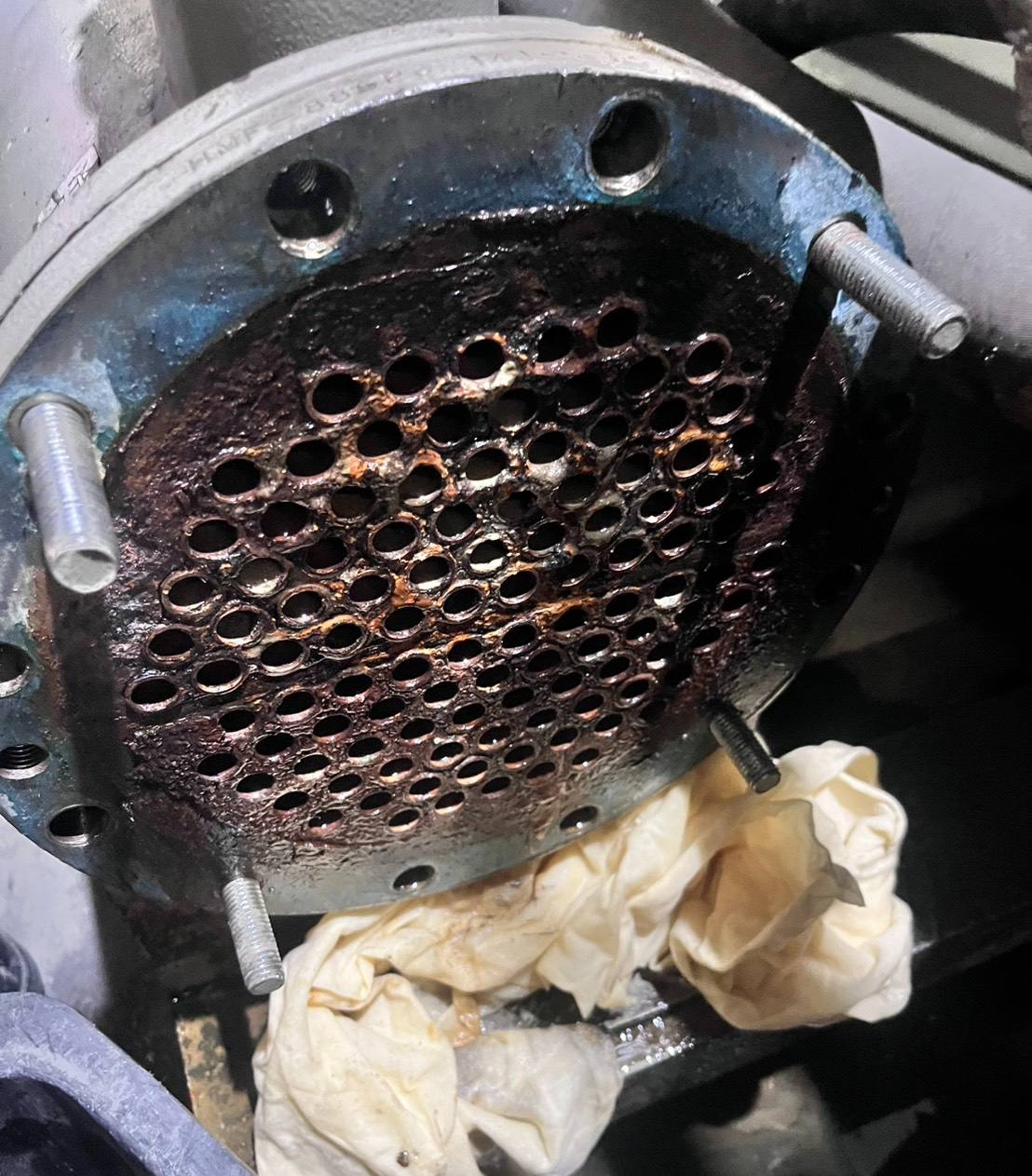
Troubleshooting Blockages
After prolonged use, deposits will inevitably form in the water circuit. If a blockage is suspected, follow these steps for a simple inspection:
1. Flow Comparison Method: Disconnect the outlet pipe of the cooler and open the inlet valve. Visually check if the outlet flow rate is consistent with the inlet flow. If the output is significantly lower, an internal blockage is present.
2. Sectional Troubleshooting: If the flow is low, determine whether the blockage is inside the cooler or in the external piping. Disconnect the inlet pipe from the cooler and test the flow of the inlet pipe alone to pinpoint the location of the obstruction.
3. Professional Testing: If you suspect insufficient water pressure or a cooling tower malfunction, it is recommended to have a professional perform a precise test using a pressure gauge.
Essentials for Efficient Cooler Operation and Daily Maintenance
2026/04/10